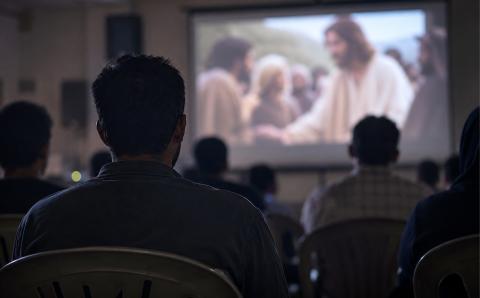
During the West Intercultural Cohort’s first in-person retreat, one host church invited the cohort to help plan an intercultural worship service. The service opened with familiar and new songs expressed in a variety of languages. An Indigenous member offered a prayer, an Intercultural Ministry leader preached on unity and diversity in biblical Colossae, and another cohort member shared a story about hospitality and creativity.
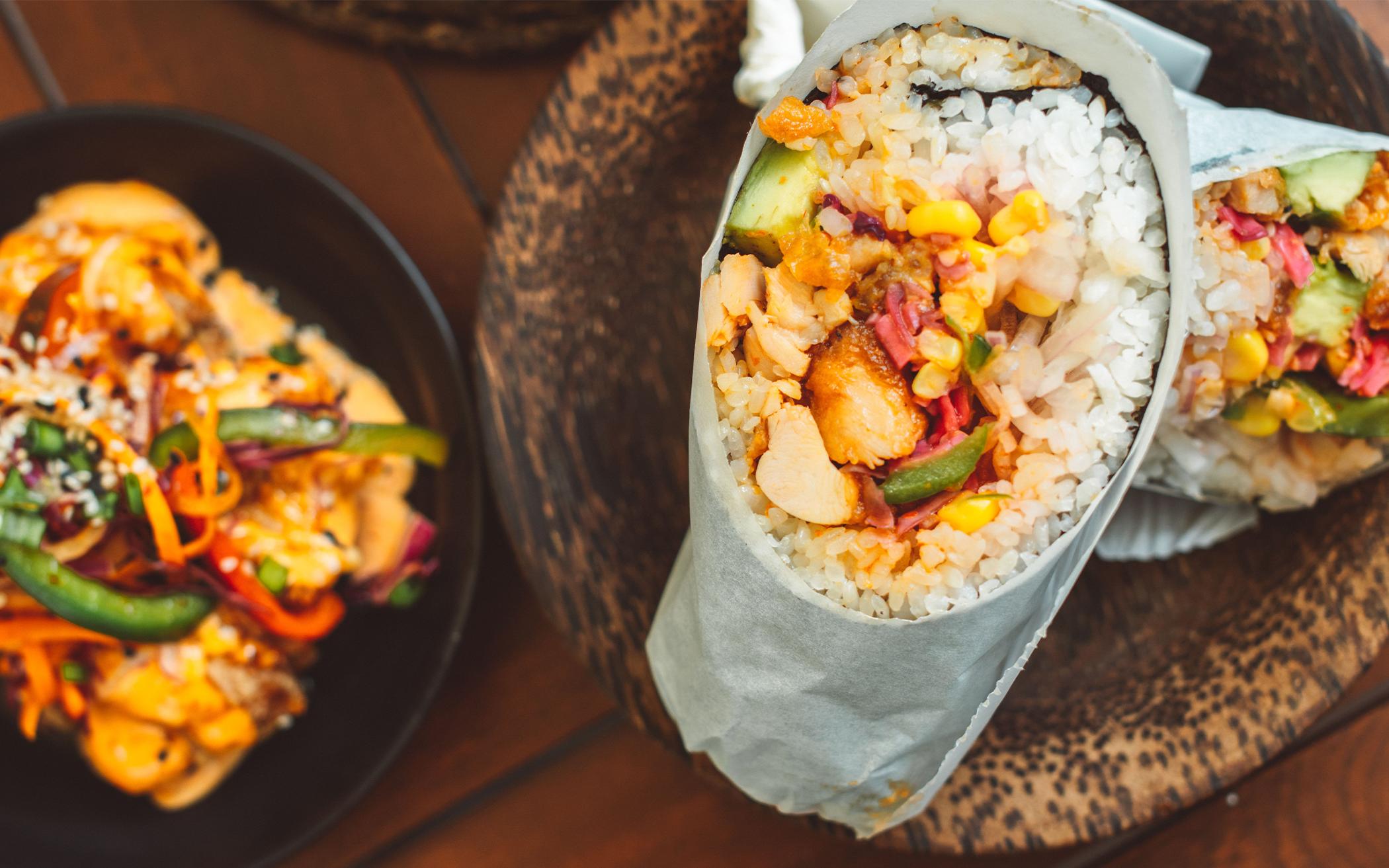
Tasked with preparing a meal for a large group, she found herself lacking an essential ingredient for an East African dish. An East Asian member stepped in with an alternative from their own culture. When faced with a shortage of large pots, the team fused two cultural cooking styles. What emerged from an initial challenge was something entirely new that honored multiple traditions.
This has been a defining theme of our cohorts: that which people meant for one culture, God meant for many others. As we explore the unique particularities of our own backgrounds, we discover connection and tension with others. In those interactions, the endless possibilities of connection and creativity become the canvas through which the Creator’s hand makes all things new.
Recognizing that a growing number of Canadian Christian Reformed churches are becoming intercultural—a shift requiring deep learning and discerning the Spirit’s leading in uncharted territory—we gathered these congregations into a learning community. Through these cohorts, local leaders are equipped and encouraged to join in what the Spirit is doing in their midst and across the land.
As this cohort phase wraps up, we praise the Spirit of Christ for what he has been cooking up over the past year.
One church launched an “Intercultural Corner” in its regular newsletter to share community stories, while others are routinely integrating intercultural songs and Scripture passages into Sunday services to highlight diverse cultural traditions. Additionally, summer events have provided safe spaces where people can drop their cultural guard, and another church has launched English classes to serve its local neighborhood.
We also recognize times when the ingredients don’t work out as expected. We notice how easily people drift back into their own bubbles, making cross-cultural engagement a slow process. This highlights the need to reimagine what church is: not a space dominated by one ethnic group, but a living sanctuary where we share God’s love together.
Other times, we can’t quite identify the “secret sauce.” In one congregation, members report feeling noticeably more welcomed and accepted during services, even if leaders can’t quantify exactly what changed. They simply wonder how to sustain this momentum.
Through all the ups, downs, and turnarounds, our cohorts are growing in trust. Even when the destination feels far away, we trust that what was meant for one culture, God is using to bless many.
About the Author
Jeremiah Damir Bašurić is a commissioned pastor at mosaicHouse Church, a multicultural Reformed church plant in Edmonton, Alta. He is also a chaplain who through an inner-city organization journeys with many people the Bible calls “rich in faith.”