If you read 1 Corinthians in a single setting, you might notice a pivotal shift right around the halfway mark. In chapter 7, verse 1, Paul writes: “Now, about the matters you wrote about.”
From this point forward, Paul is systematically responding to a list of specific questions sent to him by the Corinthian church. You can actually follow the flow through the rest of the letter by looking for the phrase “now about” as he moves from topic to topic. (As an aside, keeping this context in mind is helpful for understanding Paul’s teaching because, for example, you’ll see that the famous “love chapter” of 1 Corinthian 13 isn’t a standalone section, but part of a larger teaching on proper participation in the Lord’s Supper).
The second half of this letter shows that Paul had a strong relationship with the church. They knew they could reach out to him as a trusted partner to get the practical support they needed.
But what about the first half of the letter?
Before Paul gets to their written questions, he writes about things they did not ask him about. He had heard rumors about challenges in the community (some they probably wish Paul had not heard), and he proactively writes to offer counsel, encouragement, and hard truth. Paul knew this community intimately. He wasn’t just offering generic advice. He was speaking directly into their unique realities to support the long-term health and vibrancy of the church in Corinth.
This is the beauty of mutuality. The congregation trusted Paul enough to ask him their questions, and Paul knew them well enough to speak into their lives proactively.
I often think of this passage when it comes to our shared ministries and the various ways our denomination is structured to be a supportive community.
This dynamic shows up when a deacon builds the type of relationship with or within the congregation or larger community where they are a trusted source of wisdom—someone who is responsive to the immediate needs but also is a helpful, proactive resource for questions people have.
This shows up when a pastor is able to preach to a congregation out of deep awareness of the ways the Word of God is taking root in the community’s daily life, serving as a comforting shepherd and trusted adviser.
This same mutuality shows up when church visitors or regional pastors know the leaders within their own classis enough that they can be trusted to be invited into difficult conversations, while maintaining enough of a relationship that they can reach out to share their own concerns or encouragements based on what they are seeing and hearing.
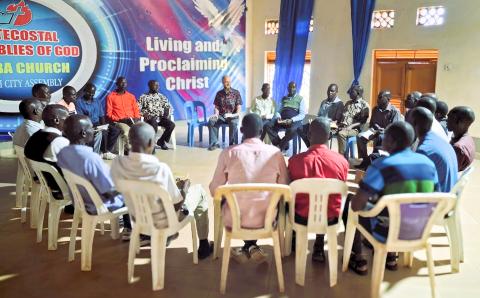
And it shows up with denominational ministries that are able to support the work of churches across Canada, the United States, and around the world. Our vision for these ministries is one where we are a trusted partner and resource in the many things churches experience, cultivating deep enough relationships that the resources and insights we share proactively are welcomed and received well.
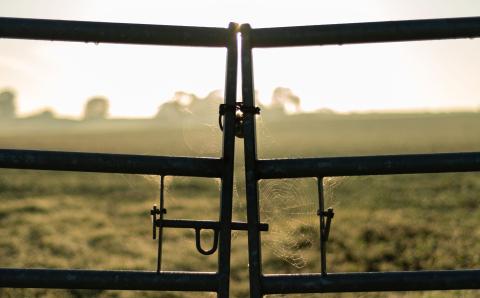
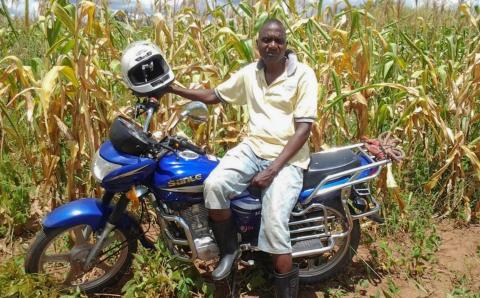
The following pages talk about planting seeds, and each seed planted is a relationship. A farmer knows the field, knows the livestock, and knows the unique needs of the land.
As you read through these pages, we invite you to see our shared ministries through that same lens—as an ecosystem of deep roots and mutual relationships, working together so that the whole church can thrive.
About the Author
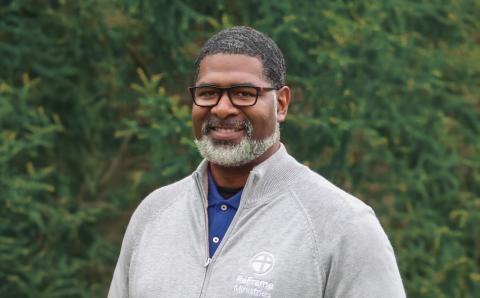
Rev. Al Postma is the executive director (Canada) of the CRCNA. He is a member of Hope CRC in Brantford, Ont.
Al Postma, 캐나다 총괄 디렉터
Por Al Postma, director ejecutivo para Canadá