
As I Was Saying is a forum for a variety of perspectives to foster faith-related conversations among our readers with the goal of mutual learning, even in disagreement. Apart from articles written by editorial staff, these perspectives do not necessarily reflect the views of The Banner.
Infants have a basic sense of right and wrong. Yale University’s Infant Cognition Center studies the behavior of babies, and the findings are fascinating. One study put on a puppet show for the infants. One puppet was trying to climb a hill. A second puppet would be a “helper” and assist the first puppet climb while a third would be a hinderer and try to push the first back down the hill. At the end of the puppet show, the babies were allowed to choose one of the puppets. The vast majority chose the “helper” puppet. From infancy, there is a draw toward helpful behavior. But then they did another study.
Infants are shown two puppets. The first likes the same snack that the viewing baby enjoys. The second puppet likes a different snack. When the second puppet was “punished” by a third puppet taking away a ball, babies preferred the punisher puppet.
The opening line of the article reads, “Infants as young as nine months old prefer individuals who punish those who are not like them, and this seemingly innate mean streak grows stronger in the next five months of life.”
From the very beginning, evil lurks in the human heart.
What is Sin?
Sin is a spiritual condition inherited from our first parents going back to Genesis 3. This is directly described in verses such as Romans 5:12 and Psalm 51:5 and strongly implied in places such as John 3:3-5, where Jesus says we need to be born again. We have a sinful nature, against which we must struggle our whole lives (Heidelberg Catechism Q&A 56). Wickedness is not only in the devil and the world but also our own flesh (HC Q&A 127).
Sin is not only a choice we make, but a spiritual disorder from birth. Acts of idolatry, murder, adultery, and theft are sin, but sin is also an attitude. At its essence, sin is an internal impulse to reject God and his ways. Sinful actions begin with sinful desires that are inborn. Children can be sweet and kind. Their simplicity gives us a fresh outlook on life. At the same time, selfishness, pride, defiance, and vindictiveness are in human hearts of every age. Before they can talk, young children will want a toy simply because another child has it. Children will throw tantrums if they don’t get their way and defy rules set for them. Rebellion is ingrained into our nature. This is why the calls to repentance in the Bible go out to all people everywhere without qualification of age or intellectual development. All people of all ages are sinners and called to repent. Everyone needs Jesus. Full stop.
Original sin is an unpopular teaching. Casting the shade of sinfulness on children has brought me some stunned looks. Even the very-conservative Southern Baptist Convention has an emerging belief of provisionalism that denies original sin.
The Uncomfortable Implication
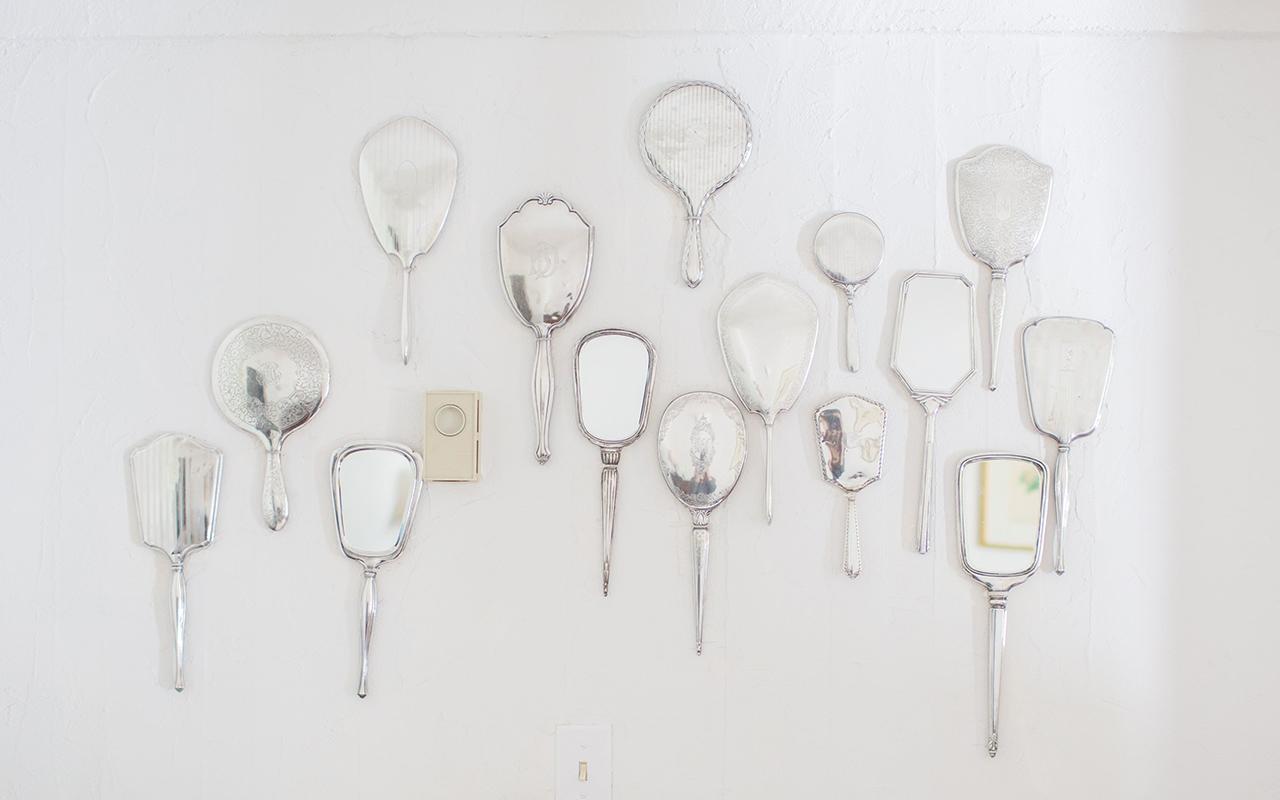
The uncomfortable lesson of original sin is that everything wrong with the world lurks within as much as without. The human mind likes to simplify the world into people who are trustworthy and people who are untrustworthy, good people and bad people. It’s easy to make demons of others and angels of the people nearest and dearest to us. Politicians in suits or mugshots of criminals appear on our screens, and we rail against the evil people of the world. The reality is much more disturbing. We ourselves are the bad people. The same sin that we hate in others who murder or commit adultery or abuse children comes from the same sin within my own heart that puts self first, feels superior to others, and speaks badly of them behind their backs. The window to the evil in the world is a mirror. What is wrong with the world is within me. This is why Jesus told us to remove logs from our own eyes before removing specks from the eye of someone else.
Aleksandr Solzhenitsyn said it well: “If only there were evil people somewhere insidiously committing evil deeds, and it were necessary only to separate them from the rest of us and destroy them. But the line dividing good and evil cuts through the heart of every human being.”
The battlefront against evil is in every one of our human hearts. Evil does not fall along party lines or picket lines. Evil has infected everyone everywhere.
The Fruit of Humility
The fruit of believing this doctrine of original sin is a profound humility. As sinners, we have no other boast except Christ and his victory on the cross (Gal. 6:14). Jesus is the only true protagonist in this story of life. When reading about terrorists or thinking about the neighbor who cheated on his wife, the first thought is, “There, but for the grace of God, go I.”
When it comes time to stand up to evil in the world, anger and haste is tempered by a profound awareness of the sin within. Recognizing the sin within takes away any condescension when confronting the sins of others. Rebuking takes a whole different character when you see yourself in the sinful actions of another. This does not mean overlooking idolatry or murder or adultery. It does mean recognizing those same tendencies within even while confronting sinful actions of others. Forgiveness also comes more easily. When others are rude or cruel, remembering the same root problem lurks within as much as without produces an attitude of grace toward others.
Noticing the sins in everyone else but not ourselves is blindness. Why is our world so divided? Why do discussions quickly escalate to yelling matches? Our doctrine of sin is weak. Like the infants in the Yale studies, we want to punish those who are different. We see the wrong in others but not ourselves.
Getting angry at the sins of others but bypassing the internal sin brings self-righteousness. Assuming sin is merely external actions and not an attitude of the heart is what provoked some of the strongest rebukes from Christ himself (Matt. 23:25-28). To see the evil in the world we need to look in the mirror as much as out the window.