The Christian Reformed Church’s Council of Delegates received a review of the work of the denomination’s Dignity Team—a group of five appointed members that serves as support to individuals who have experienced abuses of power in the church and been unable to achieve resolution through other means—and is recommending that the team’s mandate be extended, with another planned review to come to Synod 2031.
Synod is the annual general assembly of the Christian Reformed Church in North America. The Council of Delegates is the denomination’s ecclesiastical governance board made up of delegates from each classis (regional assembly) and a few at-large members, meeting three times a year and serving as the interim committee of synod. It met by video conference Feb. 4-6.
The Council established the Dignity Team in 2021 as it met in lieu of synod that year (due to the COVID-19 pandemic), following up on recommendations in the 2019 report of the committee to address abuse of power.
Envisioned as a team “that would act as a guardian of our commitment to foster a culture characterized by respect for all and mutual service” it is expressly not meant to replace existing channels for reporting abuse or seeking remedy through a congregation’s own council, the classis, or the Judicial Code Committee of synod, but be outside of other structures, “similar to the role of ombudspersons” (Agenda for Synod 2021, p. 64). The review was requested at the team’s creation. Synod 2025 specified certain concerns that the review should address.
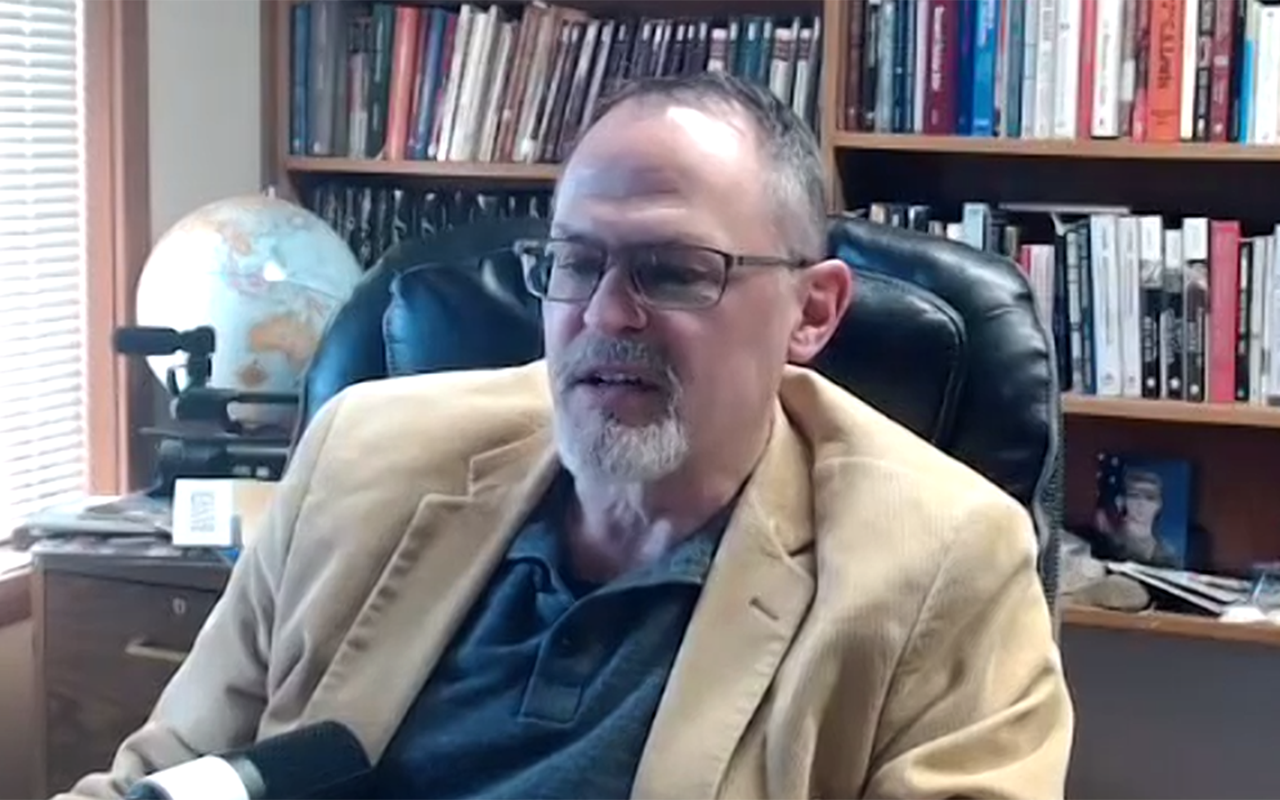
“We had real appreciation for what the Dignity Team is doing, and we see the value in their work,” said Rob Toornstra, Classis Colombia, who reported for the committee conducting the review. “They listen to concerns, and if other avenues of redress have not been workable or helpful, then the Dignity Team serves as a place where people can go and communicate concerns regarding abuse of power.”
Toornstra said the review did emphasize “the importance of the local church and existing structures” including the classis (regional) pastor and the church visitors—officebearers appointed by classes to be classical representatives.
“We wanted to encourage classes to make use of those existing structures to do this work of resolving conflict, but we also recognize that we might not be in a place where that's happening, and so we recommend that within the next five years we move toward encouraging and equipping classes and existing structures to do this work, and then to reevaluate (the need for the Dignity Team).”
The Council of Delegates will provide the full review to Synod 2026 and is recommending that synod “thank those who have served on the Dignity Team and affirm its work by extending its mandate for another five years, with a particular goal … to identify ways of strengthening the work of church assemblies and their functionaries to respond more effectively to issues of abuse and systemic hurt” and “that Synod 2026 commission another review of the Dignity Team beginning in the fall of 2029, and reporting to Synod 2031.”
The Council also updated the Dignity Team’s charter, adding:
“While recognizing the value of a ‘nimble’ approach, the team will also keep in mind the appropriate role of consistories and church assemblies (Church Order Art. 25-b, 78-81) and will attempt to work with these bodies when possible to bring about resolution to cooperatively ensure a faithful application of biblical principles (cf. Matt. 18:15-20, Gal. 6:1-2). Where there is a disagreement about the appropriateness of the Dignity Team’s involvement, a concerned assembly may bring the matter to the assembly next in line.”
About the Author
Alissa Vernon is the news editor for The Banner.