
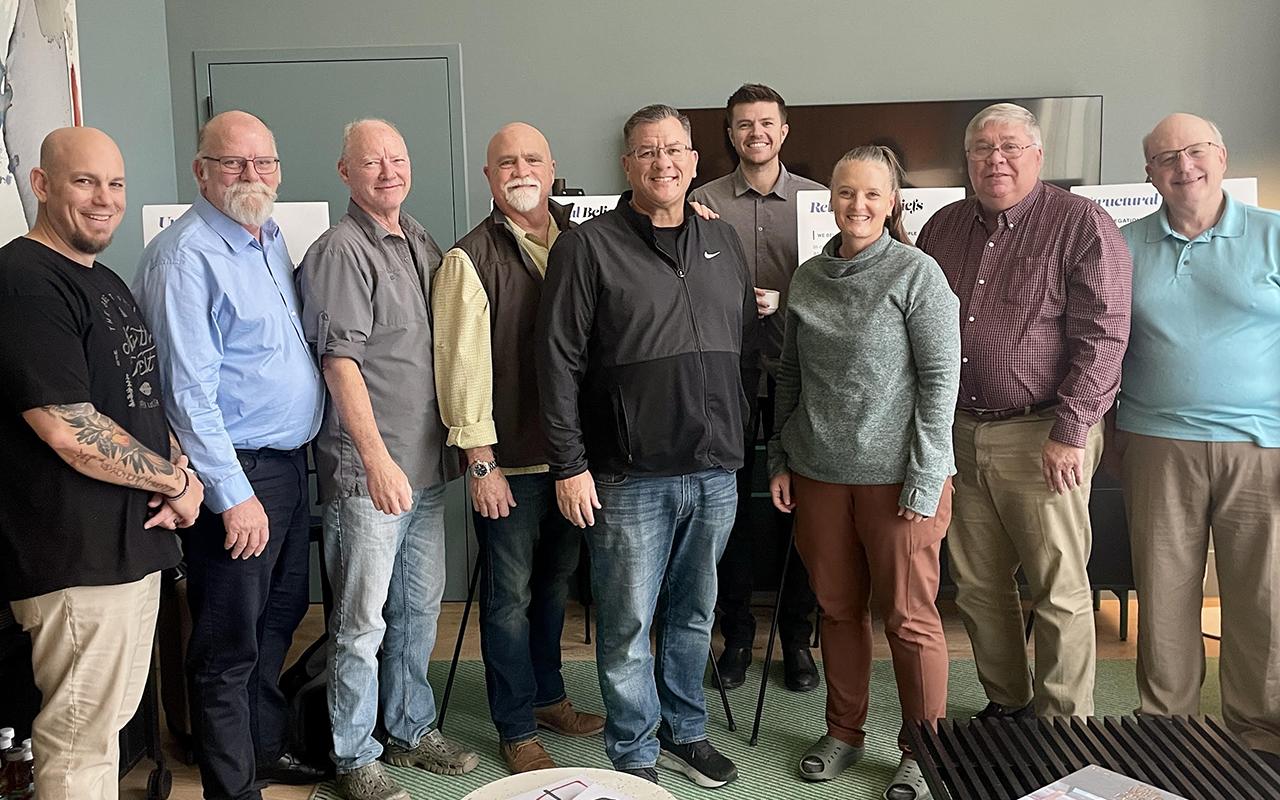
At its meeting Oct. 21-23, the board of directors for the Alliance of Reformed Churches, a network of formerly Reformed Church in America congregations, voted to recognize church in communion status with the Christian Reformed Church in North America. That designation is the closest form of ecumenical relationship the CRCNA has with partner churches.
“This step helps to recognize ordination (of pastors) between our organizations as well as reflects (that) we share a common commitment of understanding in our calling in God’s Kingdom,” said Jami Alferink, executive and communications assistant for the Alliance.
In a November announcement of the formalized relationship, CRCNA general secretary Zachary King expressed gratitude for the Alliance’s response to the invitation. “We are thankful for the opportunities we have had to engage in this conversation with Alliance leadership over the past few years,” King said. “It is our sincere hope that the ‘church in communion’ relationship between our two denominations would be a mutual blessing and a source of encouragement.”
Ecumenical relationships in the CRCNA are nurtured and directed through the Ecumenical and Interfaith Relations Committee, which reports directly to synod, the denomination’s broadest assembly. In 2023, synod approved a “church in cooperation” status with the then-2-year-old Alliance. At the time, by way of exception, synod allowed churches associated with the Alliance of Reformed Churches or Alliance pastors with previous dual CRC-RCA credentials to maintain their CRC affiliation, while directing the Office of General Secretary to appoint a team of staff and experts to work with the new denomination toward communion status. Synod 2025 approved that closer designation, awaiting the Alliance’s positive response.
Churches with in communion status may engage in joint ministries with the CRCNA or its various agencies; their representatives may be guest delegates at each other’s synods; and their pastors may preach in each other’s pulpits. The CRCNA Church Order also allows for a simplified process of transferring memberships and for recognizing a congregation with dual affiliation.
Harrison (S.D.) Community Church, previously a union church with CRC and RCA affiliation, is one such newly officially recognized congregation. The rural church celebrated building a new worship space together last fall.
About the Author
Alissa Vernon is the news editor for The Banner.