
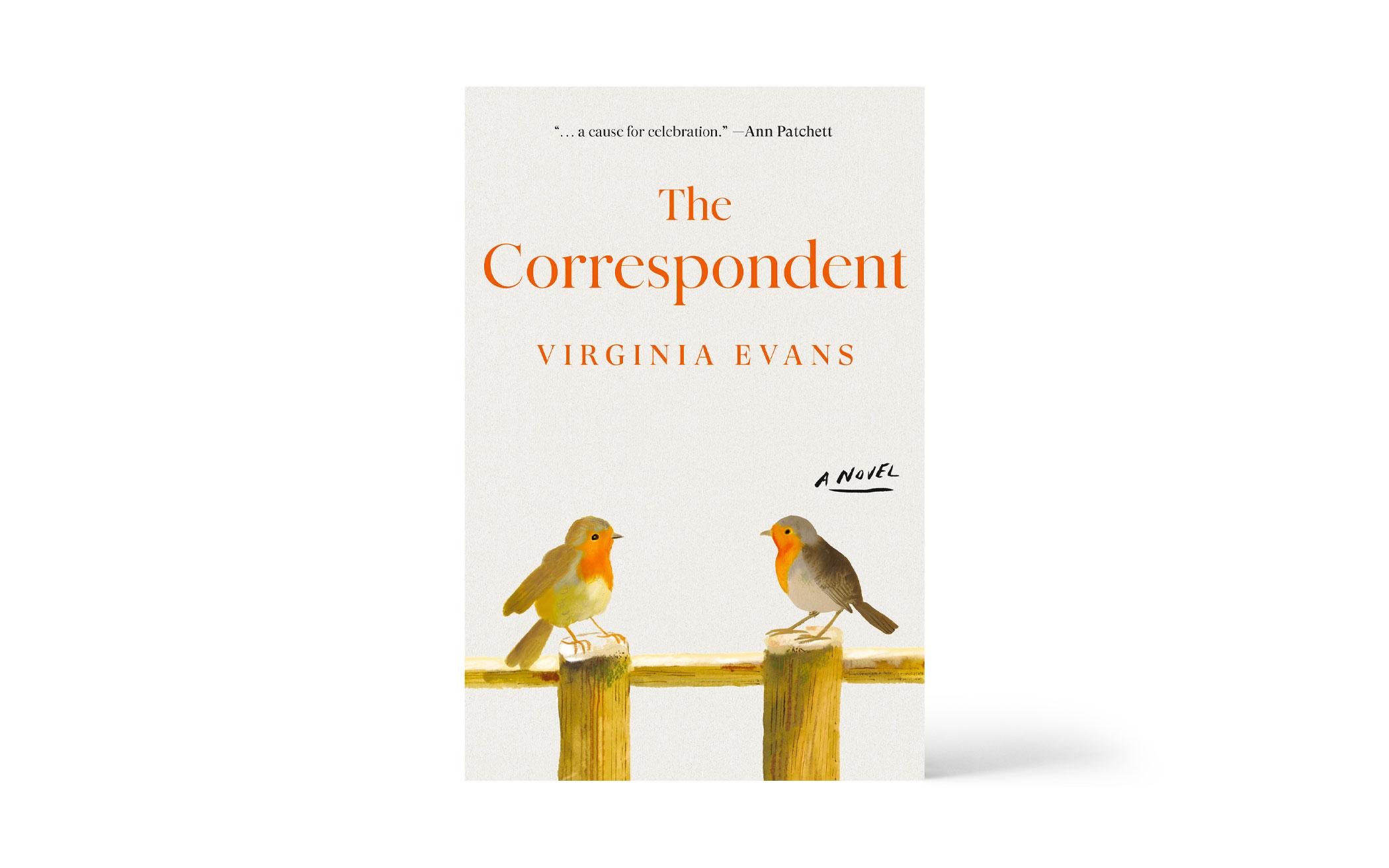
Epistolary novels rarely succeed—they’re notoriously difficult to write without feeling dry—but Virginia Evans’ The Correspondent is a striking exception. A novel written entirely in letters, it stands in the tradition of modern classics like Marilynne Robinson’s Gilead and popular bestsellers like Mary Ann Shaffer and Annie Barrows’ The Guernsey Literary and Potato Peel Society.
Winner of the 2026 PEN/Hemingway Award and the inaugural winner of the James Patterson and bookshop.org prize, the novel introduces readers to Sybil Van Antwerp, an intriguing but not quite lovable protagonist, whose prickly personality, sharp wit, and precise habits shape the story’s narrative arc.
At 73, Sybil is safely removed from her own life. Three times a week, the retired divorcee sits down to write from the desk of her Baltimore home. The habit has become “her manner of living,” and the order she maintains around it (right down to the type of stamps she prefers) keeps her at a comfortable remove from the complexities of her relationships and her regrets. But faced with losing her vision, she finds herself increasingly dissatisfied with a solitary existence.
“I do wonder if by conducting the most intimate relationships of my life in correspondence, I have kept, since I was a child, a distance between myself and others,” she writes to her estranged daughter Fiona. “But I find myself at this old age wanting closeness. I want closeness.” Prickly though she may be, Sybil is also thoughtful, wise, compassionate.
Sybil communicates with the same frankness to her brother Felix as she does to renowned authors Joan Didion and Ann Patchett, whom she has never met. She takes up the same friendly intimacy with her best friend Rosalie as a colleague’s troubled teenage son. And then there are the letters she never sends, addressed always to the same person.
Character-driven yet full of plot twists, readers discern the subtext beneath Sybil’s letters, gradually piecing together the full shape of her life: an esteemed legal career, the premature death of a son, strained relationships, new love, and the loss of her independence caused by disability—along with the nagging fear that she might soon be unable to write the letters that have long been her lifeline to the outside world.
Though Sybil’s story is singular, readers will recognize universal human experiences such as love, marriage, parenting, divorce, grief, and aging. These give the novel its emotional depth, nurturing readers’ connection to the story as they propel Sybil toward self-realization, reconciliation, and, ultimately, the mercy of grace, forgiveness, and self-compassion.
Reading The Correspondent is a bit like unlidding a box of old letters written by an acquaintance you once knew, each epistle revealing the mundane details of an ordinary life in addition to its surprising turns, unhoped-for griefs, and the profound complexities of a human heart. (Crown)
About the Author
Sara Korber-DeWeerd is a freelance writer and teacher based in Massachusetts. She and her family are members of Fairlawn Christian Reformed Church. You can find Sara at morethanshelter.blogspot.com.