
Christian author Mitali Perkins is renowned for her middle school and young adult novels, such as Bamboo People and You Bring the Distant Near, as well as her children’s picture books—Holy Night and Little Star: A Story for Christmas, Bare Tree and Little Wind: A Story for Holy Week, and more.
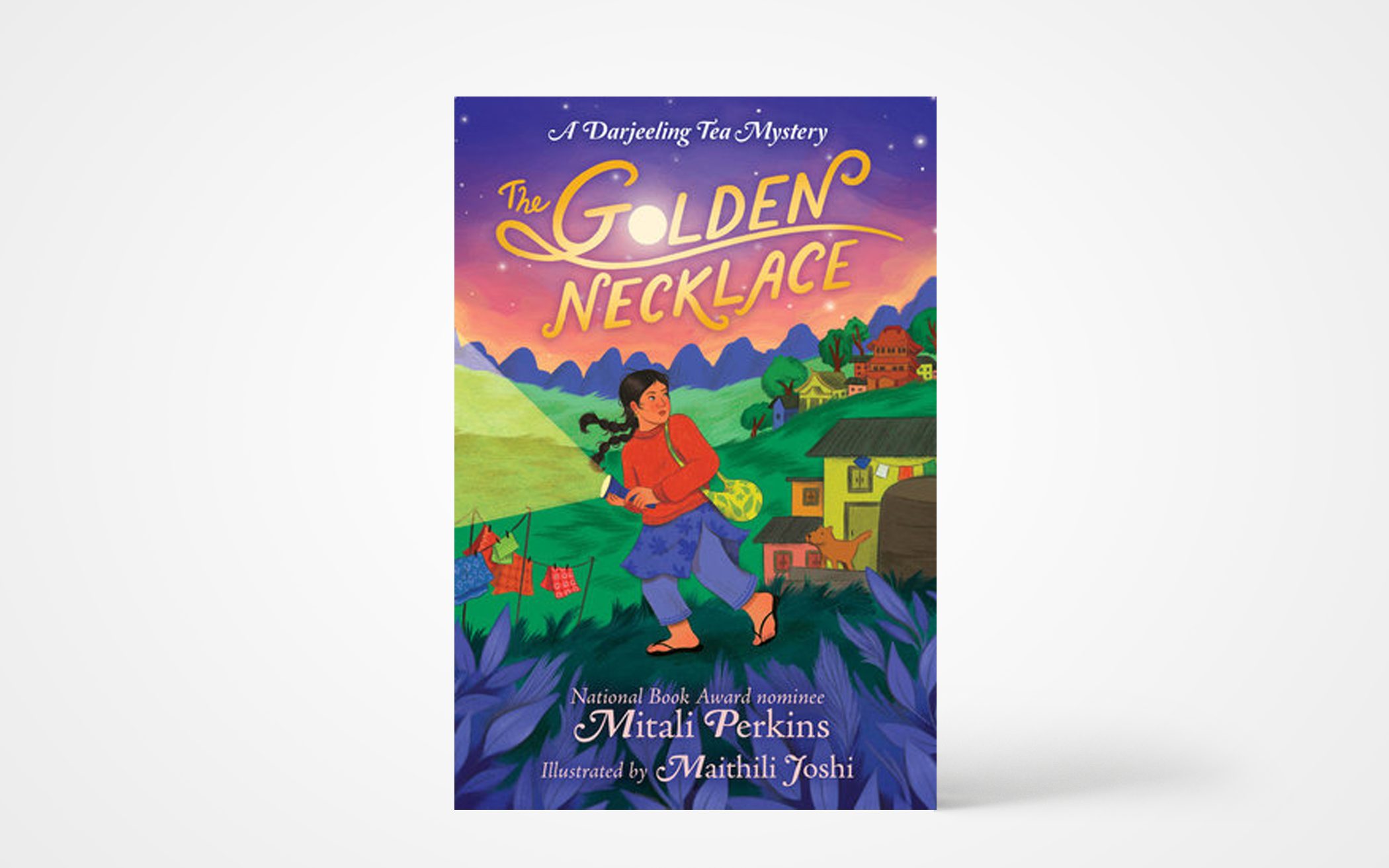
In this novel for children ages 7 to 10, Perkins introduces in an age-appropriate manner a culturally and linguistically rich area of the world in which labor injustices result in the poor becoming more destitute and the wealthy becoming richer. Twelve-year-old Sona, her teenaged brother Samiran Daju, and her mother Ama live in India in Darjeeling, an area famous for its tea plantations. Originally from Nepal, the family, along with many Nepali citizens, struggles to exist in an economic climate where injustice means, for example, that poor people don’t have enough water for their daily needs, while the prosperous squander water. Since Sona’s father died in a recent pandemic, Ama must support the family, and Samiran Daju tries to supplement the household income with any work he can find.
Sona’s days are spent preparing for the English exam that, if she passes, will result in a scholarship and ongoing education. Besides studying, twice daily Sona walks to a faulty water pump with all the village girls and hopes the daily supply won’t trickle out before she can get what she needs for her family. Sona’s path to the pump and home leads her past the dwelling of the cruel plantation owner who has locked up his 18-year-old orphaned niece Tara, forcing her to do the business’s books.
Daily, Sona scrambles up a tree to Tara’s balcony, and the two—along with Tara’s fierce parrot—become friends as they hold their clandestine visits. One day, Sona arrives to find Tara in tears and discovers that her uncle has offered her in marriage to an older man. Her uncle’s goal? To get a hold of the ancestral gold that Tara had inherited from her deceased parents.
Sona doesn’t know what to do, but she knows she must do something to help her beleaguered friend. When the gold goes missing, Sona is doubly alarmed. What if her brother is blamed for stealing it since a short while ago he had been accused of a crime he didn’t commit, was acquitted, yet meant he still bore the villagers’ suspicions?
Sona uses her deductive detective skills with the encouragement of an unlikely ally and other kind people. What she discovers about herself and about who stole the gold and why are the heart of this appealing, surprise-packed mystery.
Young readers are sure to delight in Sona’s integrity, ingenuity, and loyalty, gifts encouraged in her by her father, who used to tell her that “a kind and smart daughter was worth more than all the gold in India.”
(Charlesbridge)
About the Author
Sonya VanderVeen Feddema is a freelance writer and a member of Covenant CRC in St. Catharines, Ontario.