I remember the days before each of our little ones arrived. Fresh sheets clung to the crib mattress, with soft blankets nearby. The musical mobile hung with anticipation over the place that would soon hold our little bundle. I stocked the changing table with newborn-sized diapers and laundered and folded tiny onesies and sleepers. Toward the end of each pregnancy, I poured every bit of energy I could muster into the “nesting” process.
As our family grew, so did our need for space. We painted, wallpapered, and furnished our new home—“feathering the nest” to make it our own. We filled our nest with four children and all the noise, activity, and belongings that came with them.
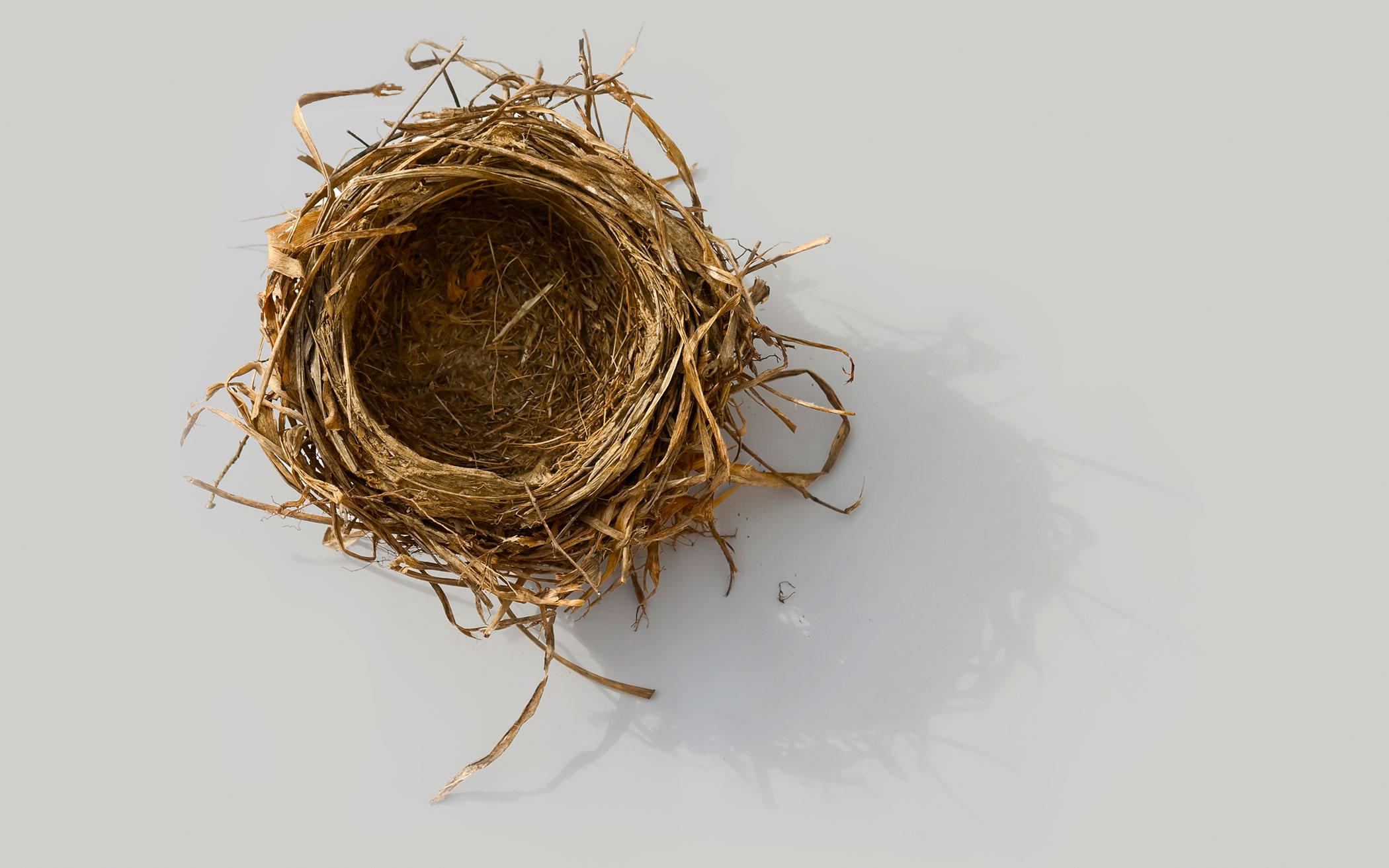
Then, one by one, the kids moved away for college, jobs, and homes across town or in other cities. After 26 years of hustle and bustle, clutter and chaos, love and laughter, the sudden lack of children and all that came with them made our home feel empty. In the silence, the term “empty nest” made perfect sense to me.
I soon realized, however, that “empty nest” described only a few quiet rooms in our house. It was far from the reality of our lives after the kids moved out.
An Empty Nest Alternative: The Open Door
A mama bird will push her fledglings out of the nest, encouraging them to fly away; hence, the “empty nest” metaphor. Most young birds stay nearby for a while as the avian parent teaches them survival skills. But eventually the whole family—parents included—leaves. In fact, most bird species separate, never to return, after abandoning the nest.
When our kids leave home, many parents—like the birds—teach survival skills, sharing the wisdom our parents once imparted to us. How to find health insurance, keep a budget, save for retirement, or secure a mortgage. How to maintain a vehicle, grow a garden, or make a favorite recipe. When to call the plumber, the exterminator, or the doctor.
But teaching survival skills is where our bird metaphor ends. Unlike the birds, we don’t send our young ones off, never to see them again. So if this new life phase is unlike an “empty nest,” how should we describe it? What characteristics define it? And can parents learn to embrace it with joy?
Gretchen Rubin (podcaster and author of The Happiness Project) has coined the term “Open Door” to replace “Empty Nest.” The Open Door implies kids are welcome to come home for a time, and they often do. It also describes the parents’ invitation to step across the threshold into newfound time and freedom. It’s their chance to explore the adventures and activities they put on hold while raising their young.
The Open Door analogy is on point for its welcoming posture and enticing possibilities. In considering how we could put the open-door mindset into practice, I thought of my mother. After she died in 2021, I wrote a eulogy to describe all she had meant to her family. There were countless memories of the ways she showed her love over the years, but I summed them up in three words: home, hands, and heart. As our children leave the nest, it seems that leaving the “doors” wide open to these three aspects of our lives could dispel the emptiness, replacing it with openness.
Open Home
I hope my home is like I described my mother’s: “No matter where we ended up, the home Mom created was a magnet that kept pulling us back.”
Our children often come home between semesters, jobs, or moves. We welcome them whenever they need a place to sleep, a holiday dinner, conversation over a cup of tea, or a shoulder to cry on. They might need a place to live after an illness, separation, job loss, or other unexpected life event. They’re welcome to visit, which, depending on their proximity, could be more than once a week or less than once a year. And the virtual door is always open for them to call, text, or video chat whenever and for whatever reason.
An open home also implies hospitality toward others (1 Peter 4:9). We can show the love of Christ by inviting folks in for coffee or a meal. Spare bedrooms that were once bursting with kids’ things are now gathering dust. Why not use them for extended family visits or reunions with old friends? Perhaps a college student, a small family, or an international exchange student is looking for a temporary home.
Open Hands
Our hands—no longer busy feeding our brood, handling mountains of laundry, or putting away endless clutter—are now free for other pursuits. My hands have recently started preparing and serving lunch at our local women’s shelter. My fingers type stories that encourage others on their midlife journeys. Free hands also mean more time for the pastimes I love, such as knitting, reading, and kayaking.
What were your hands made to do? Do you have a flair for sewing? Join a quilting group. Cooking? Bring a meal to a new mom or shut-in (or take a specialty cuisine class for your own enjoyment). Woodworking, painting, or mechanical skills? A Habitat for Humanity build might call your name. Have a car? Offer rides to church or medical appointments for those who can’t drive. Love being with babies or children? Volunteer at a local school, pediatric unit, your church nursery, or children’s worship center.
Open Heart
The Openness season can expand our hearts in unexpected ways. As our kids need us less for survival and more for support and friendship, our relationships change. Adult children might call or text with life updates. They bring good news, excitement, and joy. Or through tears, they share bad news, anxiety, and sadness. During these conversations, we can offer advice when requested, but our key role is to provide a listening ear and an open heart (2 Cor. 6:11,13).
Grandchildren—if we have them—are the perfect reminder of the unconditional love we have for our children and that our heavenly Father has for us in Christ. Giving our free time to support our kids in parenting is a win-win; they receive much-needed respite, and we get to experience the joy and laughter the little ones bring.
Having an open heart will urge us outside our comfort zones as we travel to new destinations, read about and experience different cultures, and interact with others outside our usual circles. As we open our hearts, we will see the goodness in all of God’s children and show his love through kindness and acts of service.
Who in your family, neighborhood, church, or community needs your kindness and love today? Where can you go or what can you read or do that will expand the horizons of your heart?
If you’re feeling empty or lonely as your kids leave the nest, start looking for the openings the Lord provides in your life. Are you ready to open up your home through hospitality? Where can your hands offer the physical gifts, talents, and skills you possess? Can you offer someone comfort, support, or kindness, as God prompts you to open your heart?
The joy we receive from opening our homes, hands, and hearts during the Openness season just might make our emptiness fly away!
About the Author
Linda Hanstra, author of Empty-Nest Joyride: Hope, Love, and Purpose on the Road to Contentment, attends Church of the Savior in South Bend, Ind., with her husband, Tom. Find more of her writing at lindahanstra.com and on Substack.