
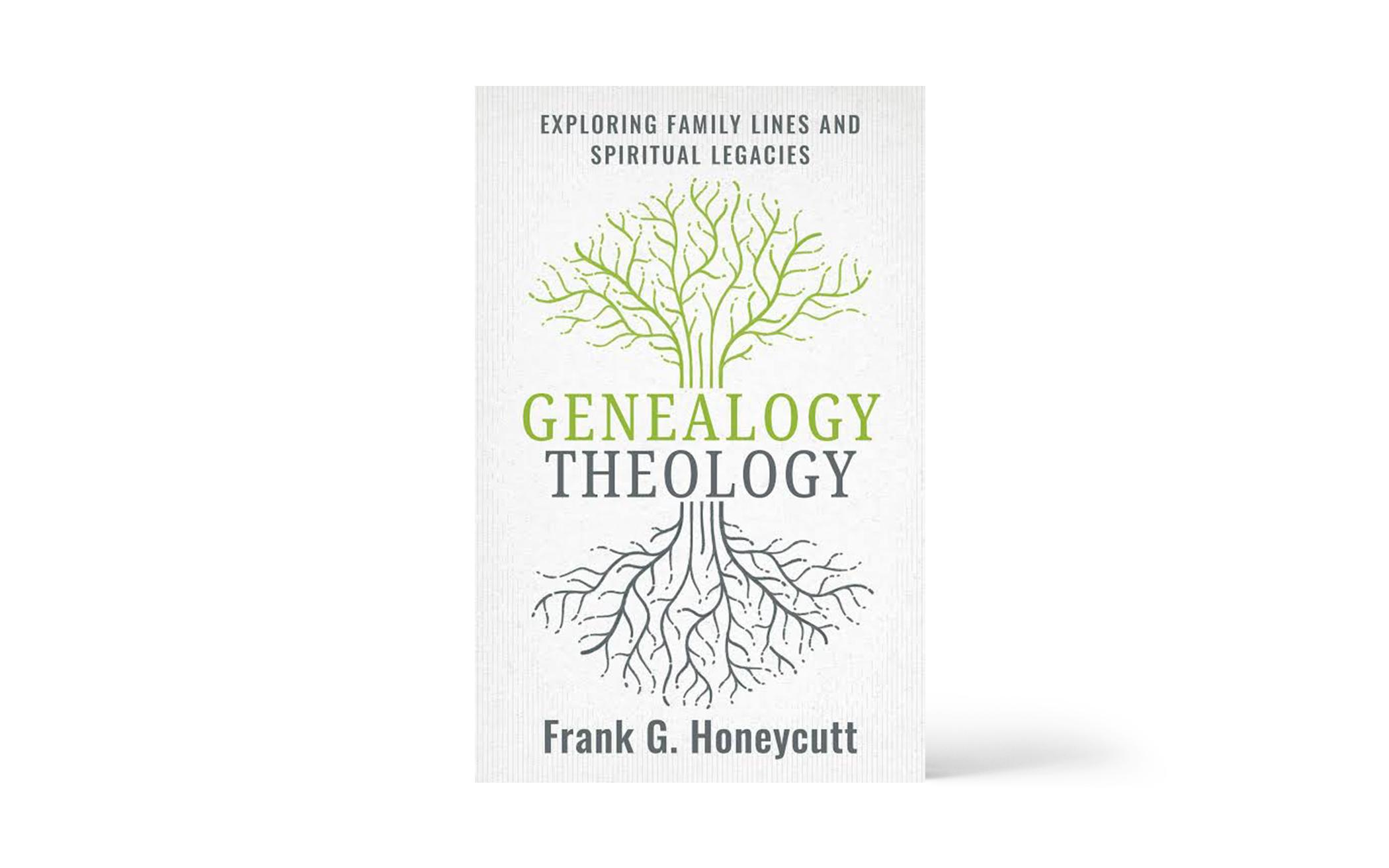
Author Frank G. Honeycutt’s fascinating exploration of the connection between genealogy and theology takes readers into the lives of two of his ancestors and how their circumstances and actions influenced the person he became.
In 1908, Honeycutt’s great-grandfather Sheriff Frank Honeycutt of Concord, N.C., reluctantly supervised the public execution of a Black man charged with raping a white girl, unsure of the man’s guilt.
On Honeycutt’s mother’s side of the family, his great-aunt Eulie had what was called in 1927 “a nervous breakdown,” and was institutionalized in a state mental hospital for more than 50 years. Her family’s shame because of Eulie’s mental health meant that Eulie was never spoken of in her extended family, most of whom never learned of her existence. Decades later, Honeycutt’s mother discovered documents about Eulie in the home of a deceased relative and shared what she learned with her son.
About his narrative, Honeycutt writes, “This is a book about searching, both divine and human. How God searches for and somehow has in mind the marvelous intricacies of any life through divine genealogical foresight via the multitude of choices that we and our relatives make (and could have made). And how we, in turn, inevitably search back toward God, wondering about our place in a vast cosmos, realizing at some point in our passing years how if a single small facet of the past (with one of a variety of colorful forebears) was changed—just a tiny smidge of time tinkered with and altered—none of us would even be.”
Honeycutt explores questions concerning inherited illness and inherited circumstances; questions about destiny, chance, and free will; and questions about Jesus’ genealogy, and how Jesus’ life, death, and resurrection led to “birthing new people (‘a new creation,’ 2 Cor. 5:17) in baptism through the church, which theologically reframes what any of us may have inherited.”
Honeycutt experienced “surprising peace” in his genealogical search, even though he could not make sense of it all. His book has much to offer readers who wonder about the trajectory of their own lives and how God led them in all the details and circumstances that unfolded.
Though discussion questions are not included, Genealogy Theology is a good fit for individual study and small group discussion. (Eerdmans)
About the Author
Sonya VanderVeen Feddema is a freelance writer and a member of Covenant CRC in St. Catharines, Ontario.