
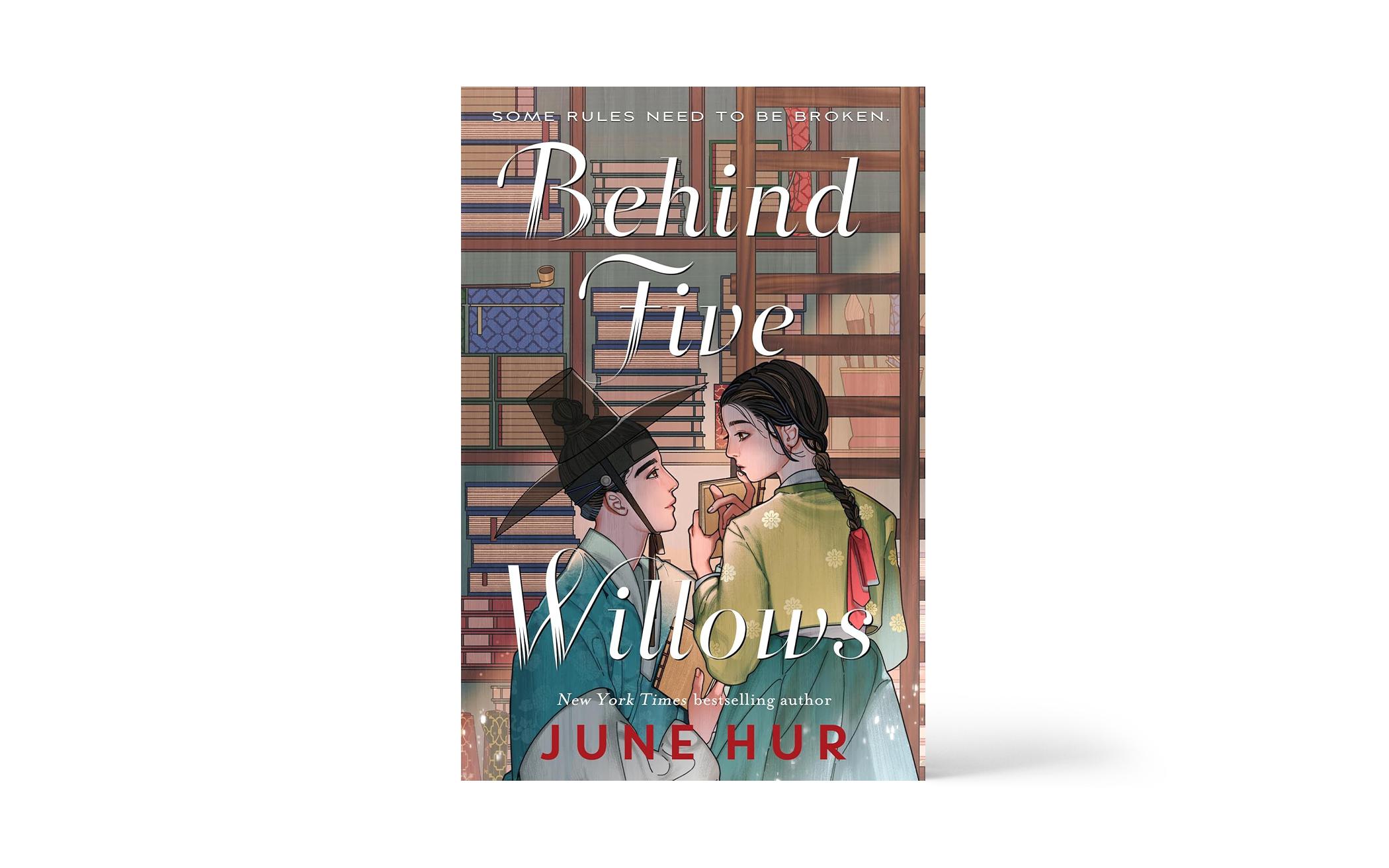
Set in Korea in 1792, this young adult novel melds historical events, romance, cultural critique, and engaging characters in an emotionally charged narrative.
In an author’s note, June Hur points out the two decrees that shaped the period in which the book is set. The first was the marriage edict by which 281 spinsters, most of them in their twenties, were forced to marry. The second was the Restoration of the Pure Writing Style Edict of 1785, and repeated in the following years. In a society steeped in Confucianism, the proclamation prohibited the importation of Chinese books and Catholic books into the kingdom, and it barred the creation and circulation of fiction.
Nineteen-year-old Haewon lives in Gyonam Village with her financially strapped parents; her 25-year-old sister Jade, who is now considered a spinster; and her 16-year-old sister Yeonhee, a free-spirited young woman unwilling to bend to society’s constraints. Raised in an honor-shame culture where women were taught that they were inferior to men, where fathers could kill their daughters for misbehaving, and where “a family stripped of honor would then wither like a flower severed from its root until nothing remained of its former glory,” the three young women know there is a price to pay when attempting to choose one’s own destiny.
Because Haewon’s father is more lenient than other men, she and her sisters are allowed to walk to the capital city with their maid chaperoning, and to go to Five Willows, a bookstore with a secret shop in the back, one filled with transcribed novels only selected patrons are allowed to purchase, often at exorbitant prices. For Haewon, Five Willows is her “second home,” a safe haven in which she can quench her hunger to read fiction, which she pays for by clandestinely transcribing novels for the proprietor. And she holds another secret close—she has been exchanging letters with Black Lotus, a pseudonym for a popular mysterious author of a novel series, whose books she has been transcribing.
Seojun, better known to the locals as Lord Yu, experiences restraints of his own—a demanding father who expects him to follow all the rules that his culture imposes on men, the wealth of his family’s estate that will one day be his to manage, and his concern for his older sister, banished to a life of anonymity because she refused to take her own life when her husband died, as was expected of widows at that time. Seojun has a secret passion that fuels his days, a hunger that no one must discover, especially not his father, since it is illegal—writing fiction. Also, the letters he exchanges with Magpie, a pseudonym for a person whom he assumes is a man, offer him much encouragement, insight, and hope.
Behind Five Willows is the suspenseful, fast-paced narrative of how two people from distinct classes navigate their relationship and find a way forward, despite what seem to be insurmountable obstacles.
In her acknowledgements, June Hur writes, “I thank Jesus, my lord and savior, for being near to the brokenhearted.” Hur’s Christian faith shimmers in her meaningful novel, which skillfully portrays how detrimental political and cultural practices have contributed, and still do, to the misery of millions. (Feiwel &Friends)
About the Author
Sonya VanderVeen Feddema is a freelance writer and a member of Covenant CRC in St. Catharines, Ontario.