
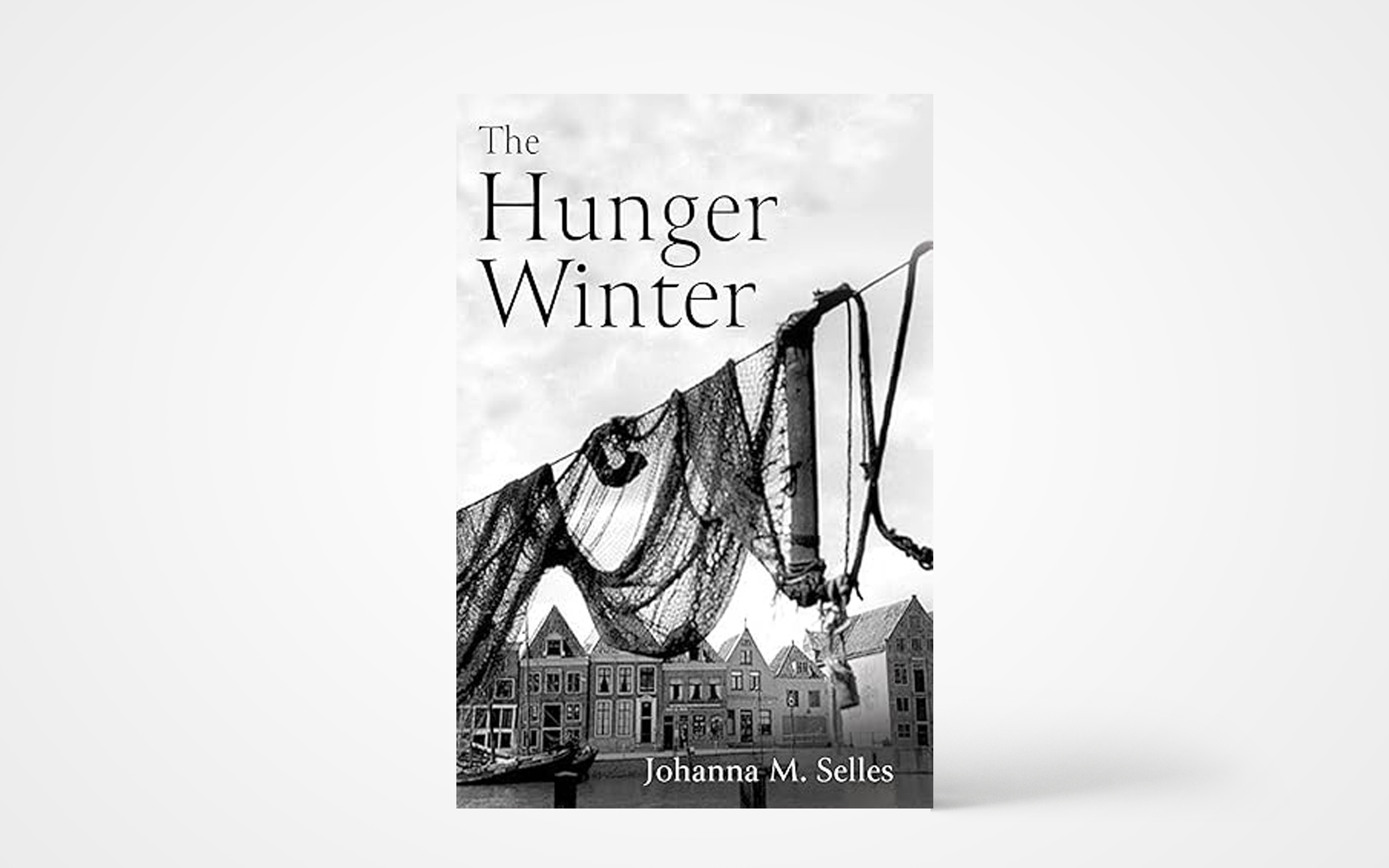
In the fall of 1944, 22-year-old Ada, her 18-year-old sister Lina, and their father struggle to survive in Holland under the occupation of the Nazis and the intensifying food crisis caused by nutritional resources being redirected away from the nation’s citizens and sent to Germany or used to sustain the occupiers.
Father is a historian who has been working in his home office behind closed doors, not allowing his daughters to see what he is working on. Since his wife died four years ago, Ada has been put in charge of running the household and keeping an eye on free-spirited Lina. Mother had always insisted on maintaining order in the home “even though she had created her own kind of chaos within their family life.” Though Ada tries her best to meet expectations, simmering resentments between herself and Lina are a daily experience, and conflicts continually surface.
On the evening of Father’s birthday celebration, he somberly tells Ada and Lina that he has made financial arrangements with the bank to provide for them in case something happens to him. Though the young women want to focus on celebrating and not on the ever-present hardships of war and hunger, Father persists: “You need to know what to do if anything happens. You will be on your own, and you will have to work together. That won’t always be easy … but it will be necessary. Difficult times will continue, and you will have to find ways to survive.”
It's no surprise to Ada and Lina that Father points out their differences. They’re all too aware of how Ada wants to maintain a secure home life and, when the war is over, “recreate life exactly the way it had been before the war.” Lina, on the other hand, plans to escape the confines and desolation of Holland as soon as the war ends and flee to Paris to pursue her passion for fashion and photography.
Father is arrested by the Nazis the evening of his birthday, and Ada and Lina’s lives are forever altered. When they discover the truth about what Father was working on, they realize the danger they are in and their responsibility to keep Father’s project out of the occupiers’ hands till the end of the war.
Filled with suspense, heartbreaking moments of loss and terror, piercing scenes of love and sacrifice, shocking secrets, and deep spiritual reflections about God and his presence during wartime, The Hunger Winter is a sobering, yet hopeful read as it reveals that “even the worst darkness had not overpowered the light.” (Resource Publications)
About the Author
Sonya VanderVeen Feddema is a freelance writer and a member of Covenant CRC in St. Catharines, Ontario.